In Conversation With
De Rosee Sa
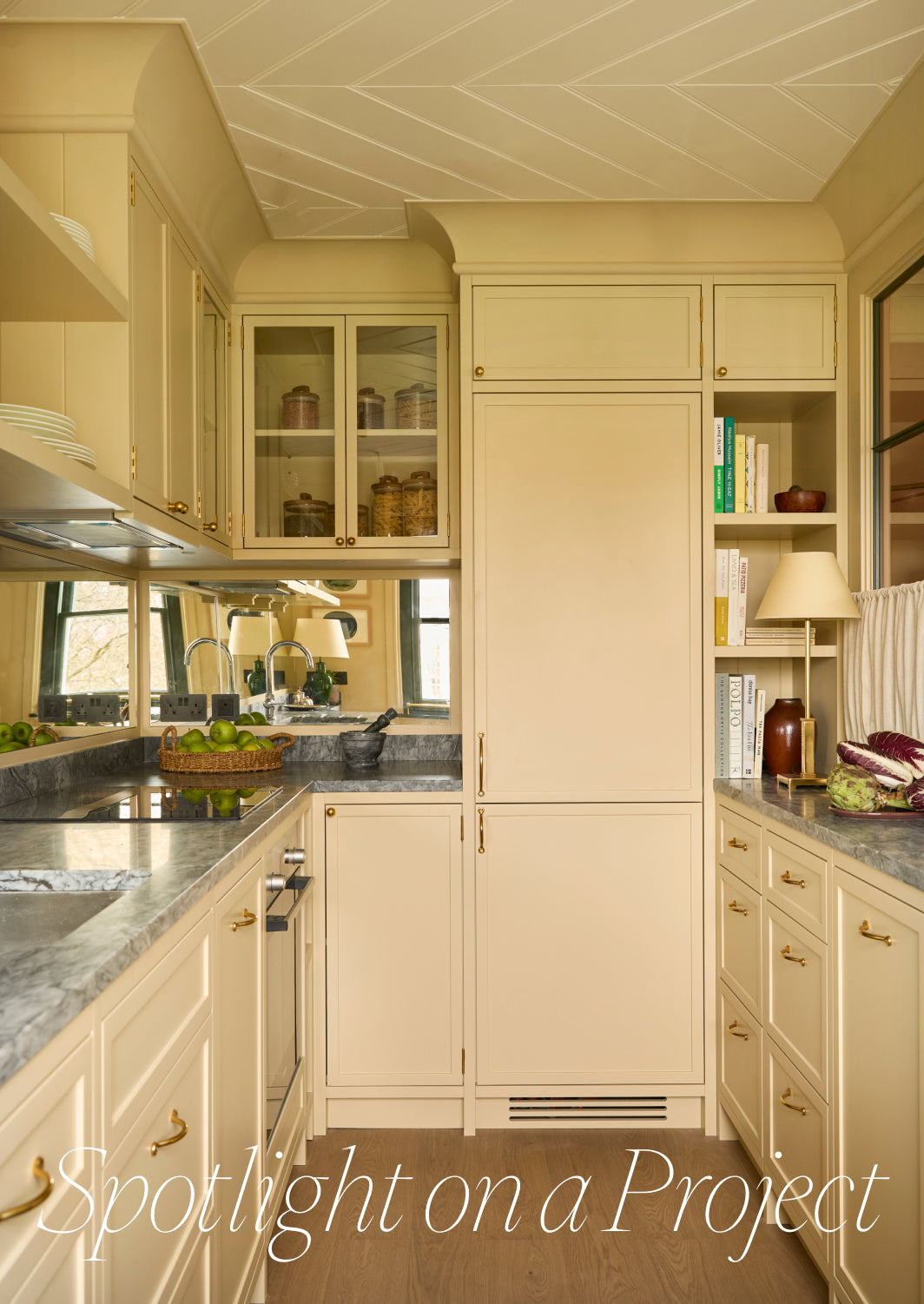
This month we're shining a spotlight on De Rosee Sa's Notting Hill project — a fourth-floor pied-à-terre overlooking Ladbroke Square. Claire set out to make it feel like a hotel suite rather than a small flat.
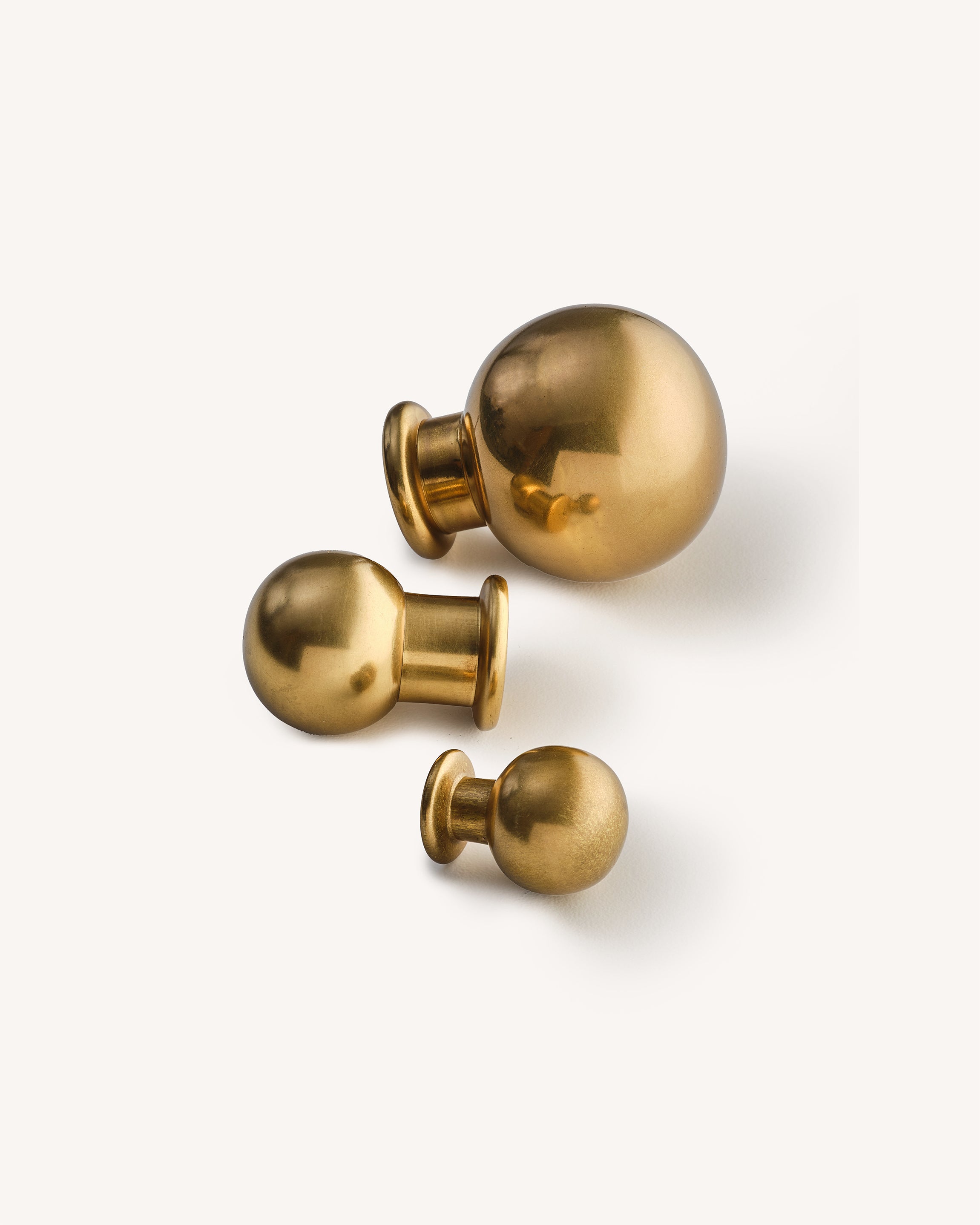
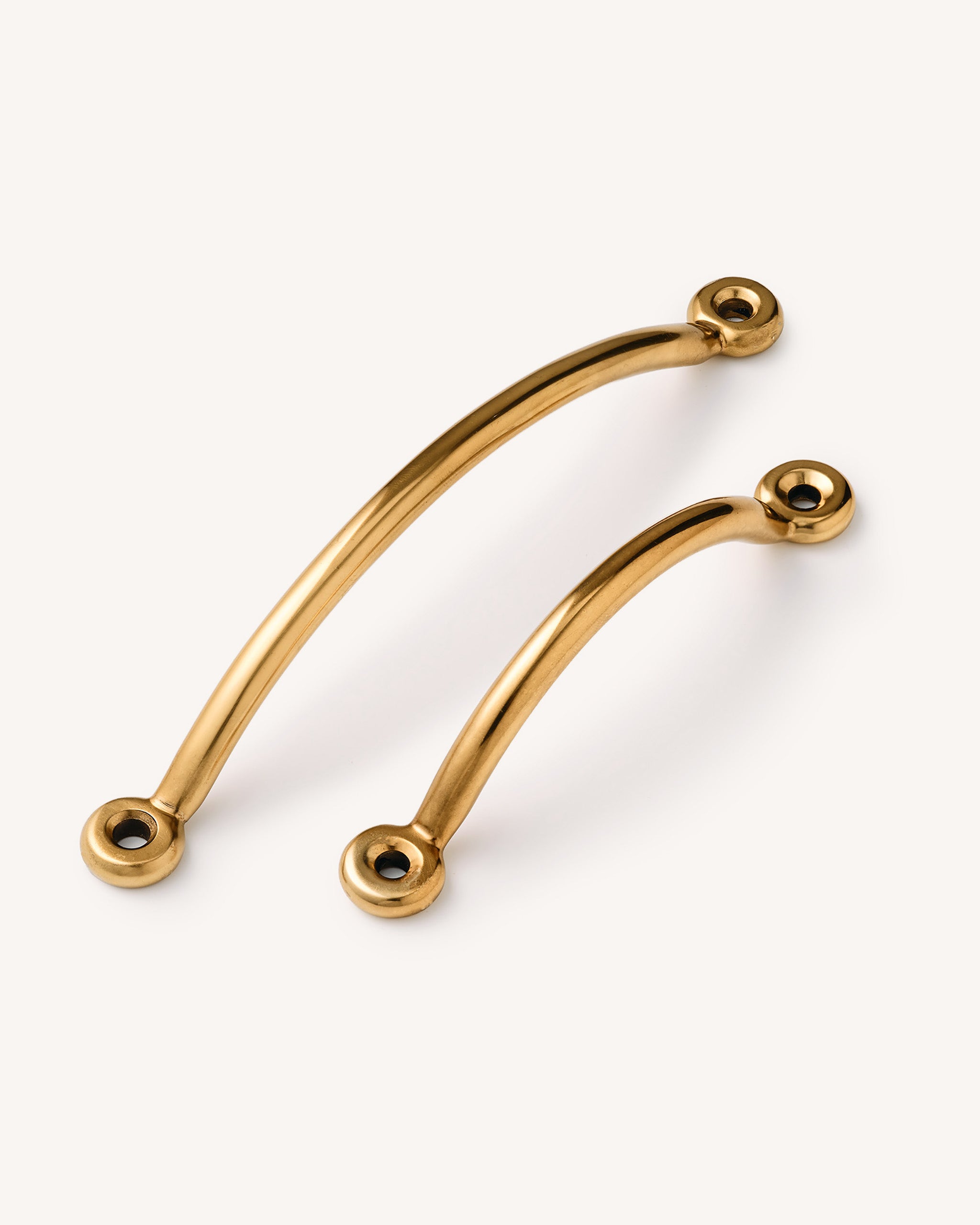
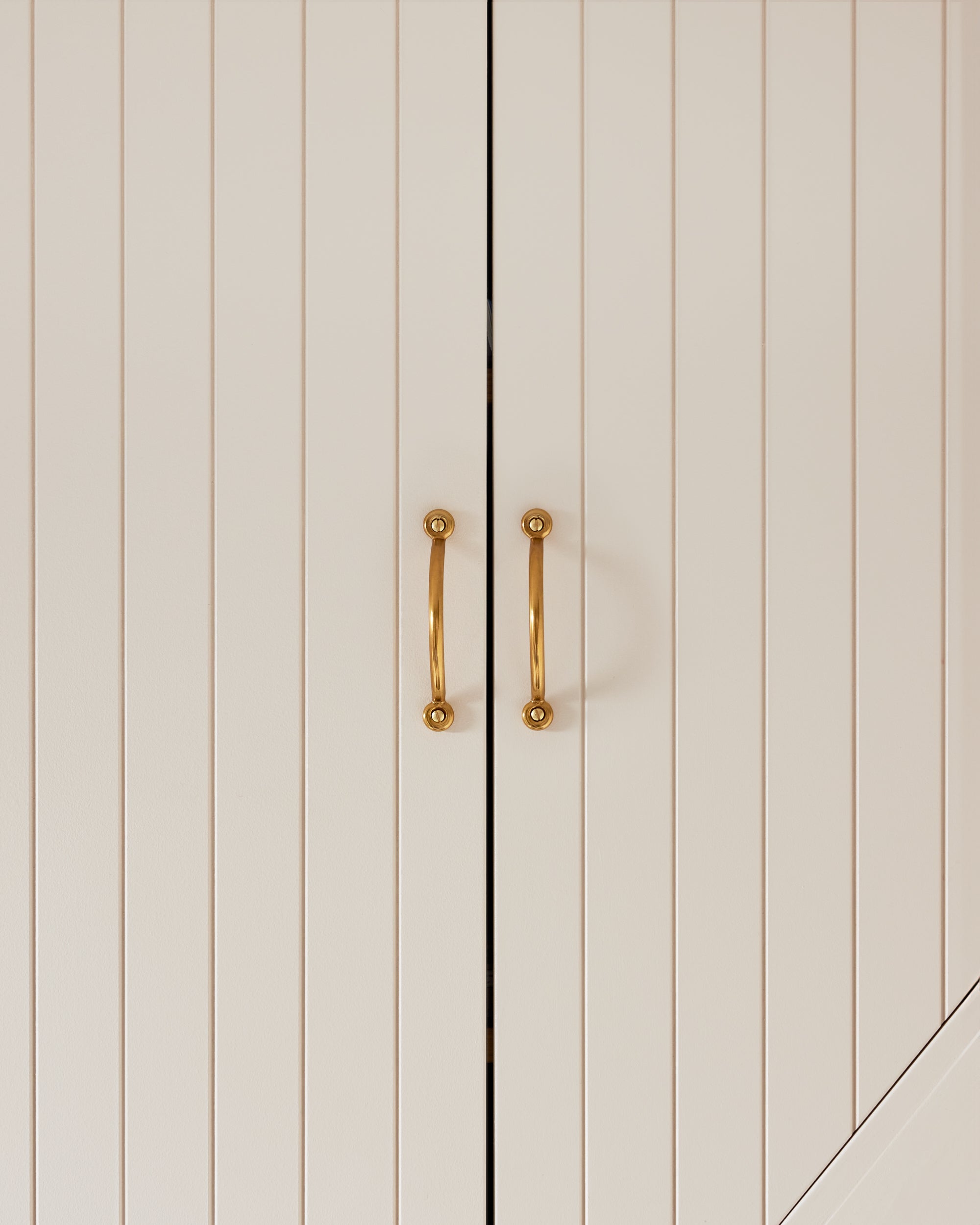
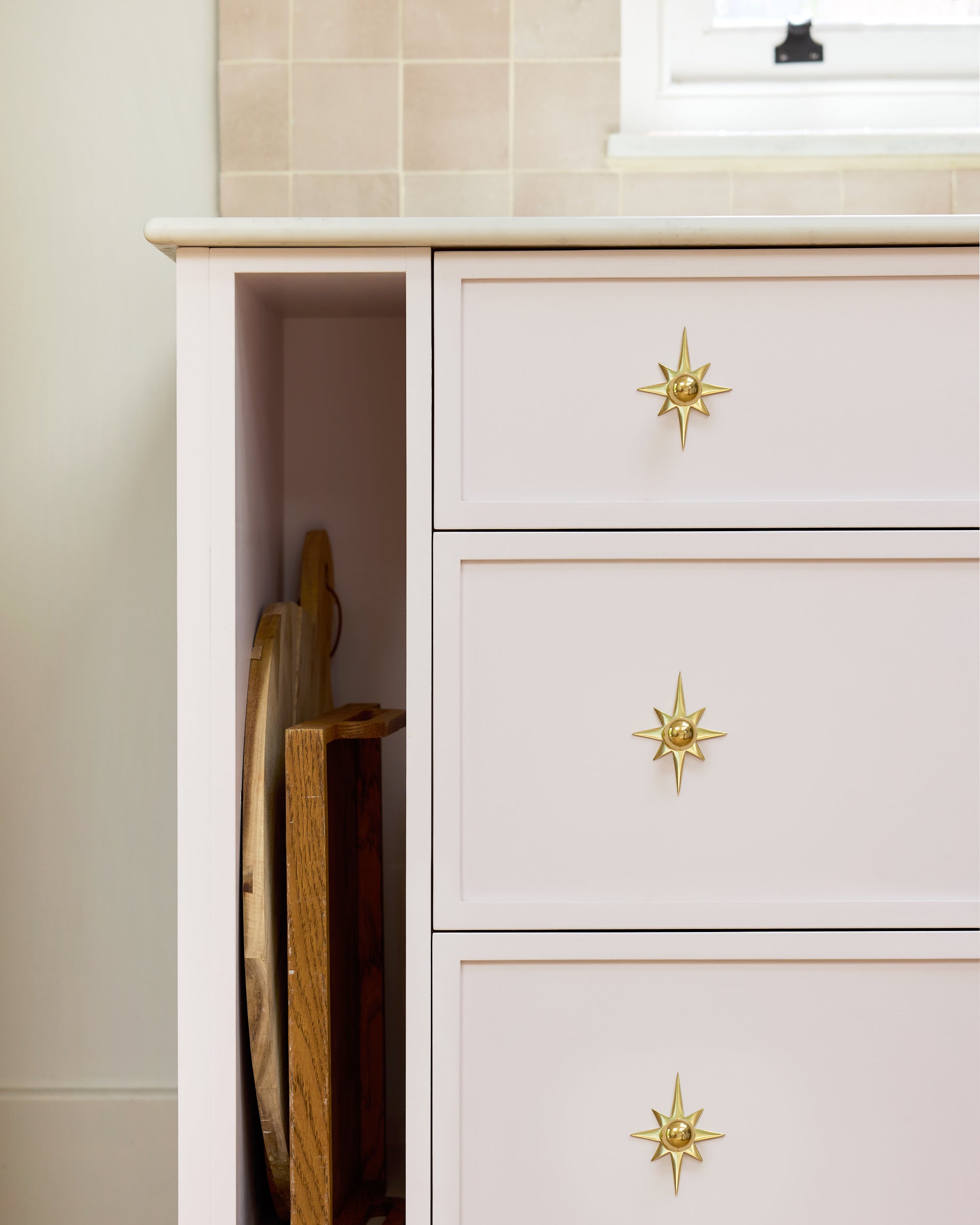
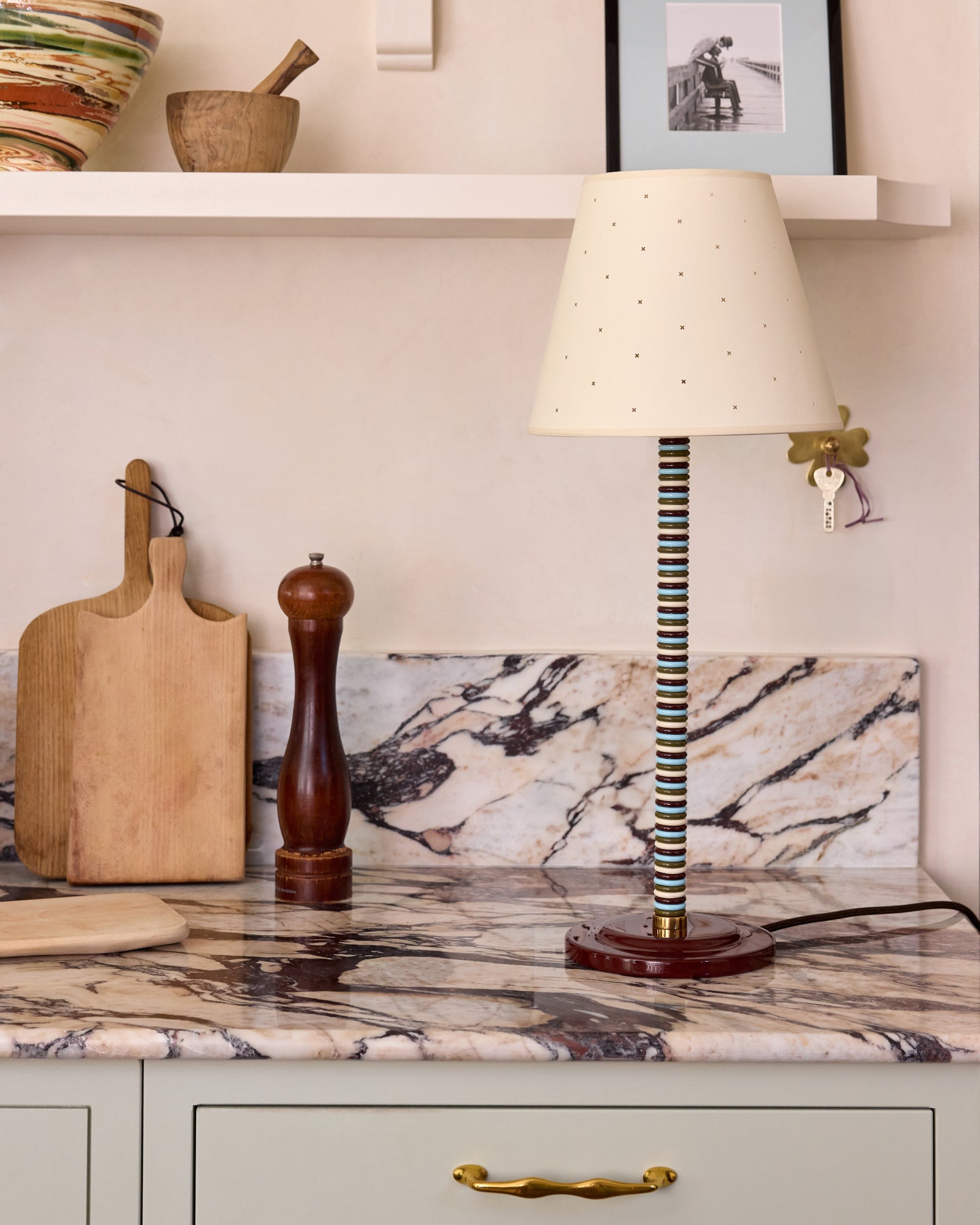
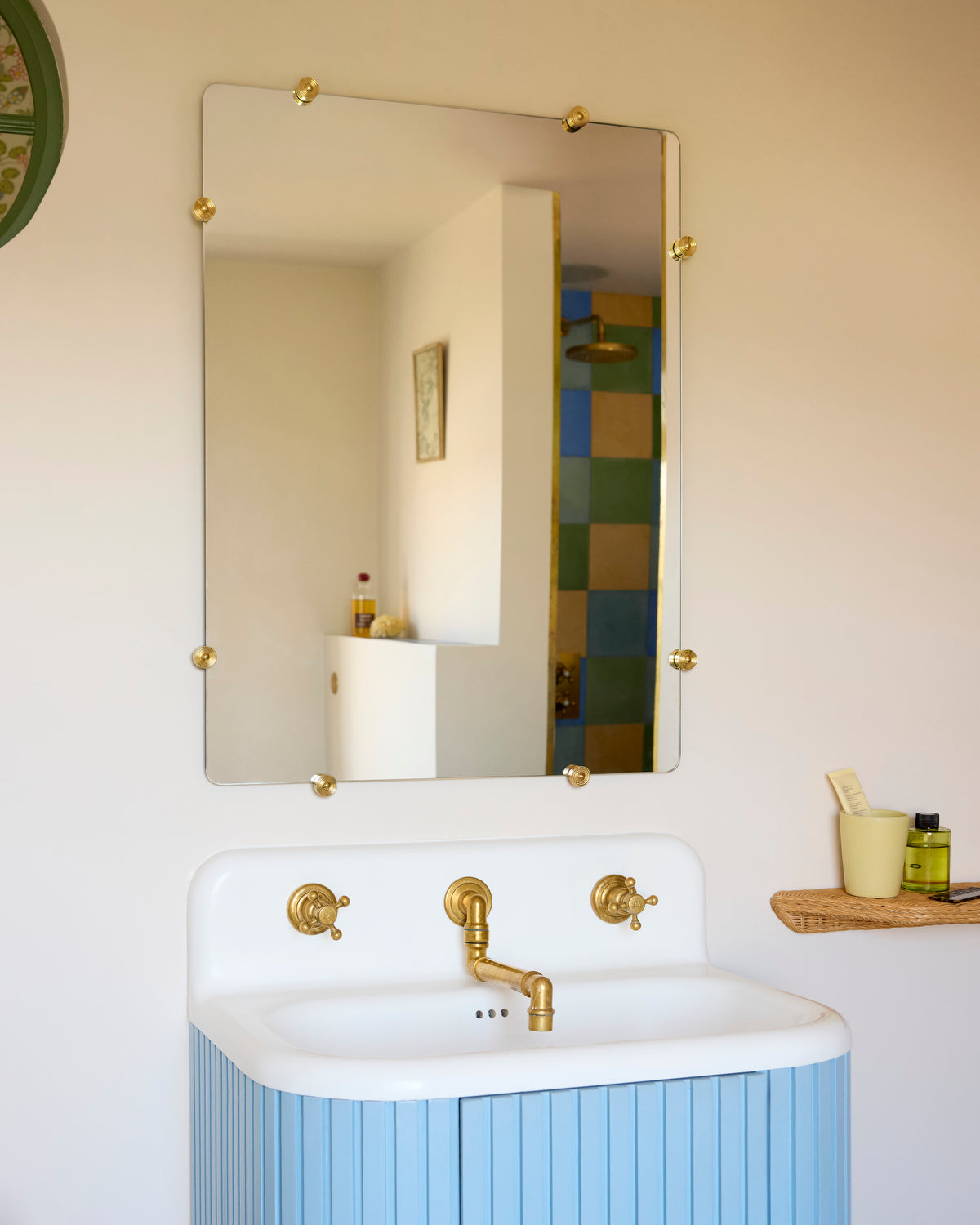
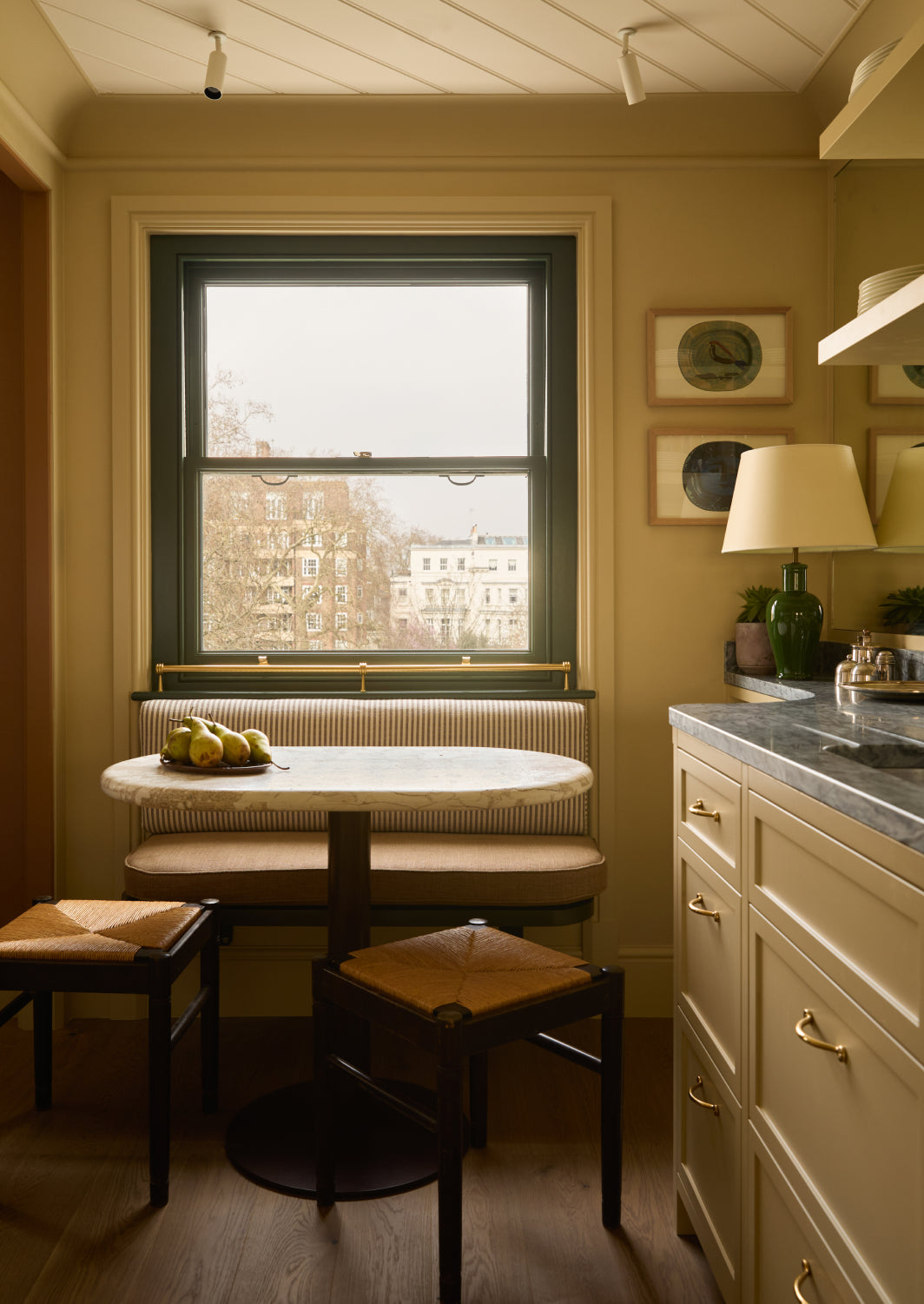
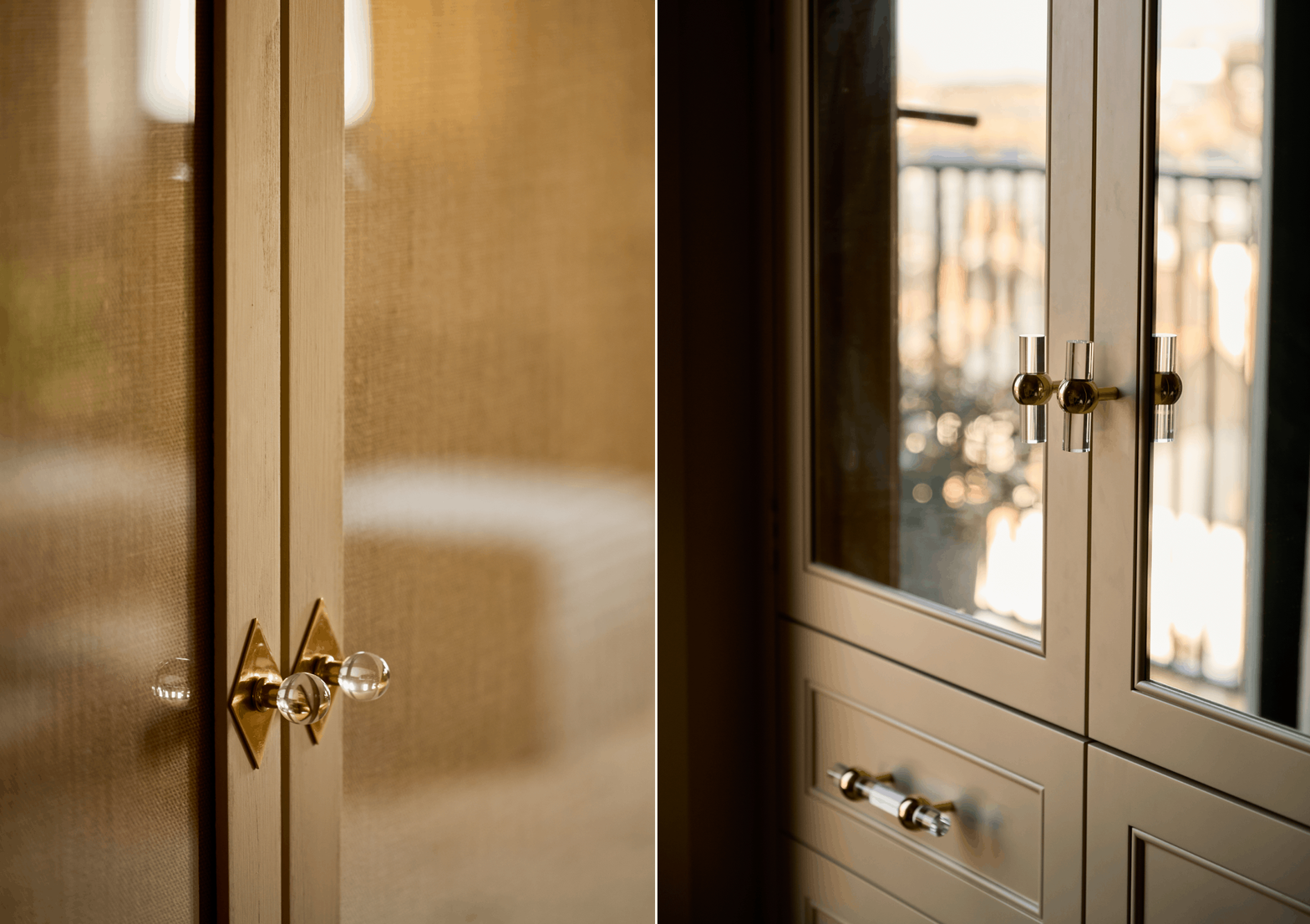
Brass runs right through it. On the cabinetry, Tay Handles — long, softly curved, more line than grab. And a Curtain Rail by the window, upside down and curtain-less, decorative and nothing more. Bought for one thing, used for another. We approve.
Photography by Helen Cathcart
Q&A
On Approach
When you begin a project like this one, where do you tend to start — with the architecture of the rooms, or with the feeling you want someone to have as they move through them?
Usually it’s a bit of everything, but when I start a project there’s often something that triggers a reaction or inspiration, and I’m instinctively drawn to a certain look or aesthetic. When I walked into this flat, which was quite dated and unloved, I felt that its size and slightly bougie nature lent itself to feeling like a wonderful hotel room or suite — a little gem rather than a huge property. It was very much about creating a feeling or reaction for the person who would live there, so that when they arrive home and move through the space, it feels considered and special.
Q&A
On Space
The apartment is compact, yet it never reads that way. Which moves — the joinery, the sightlines, the thresholds — make it feel generous?
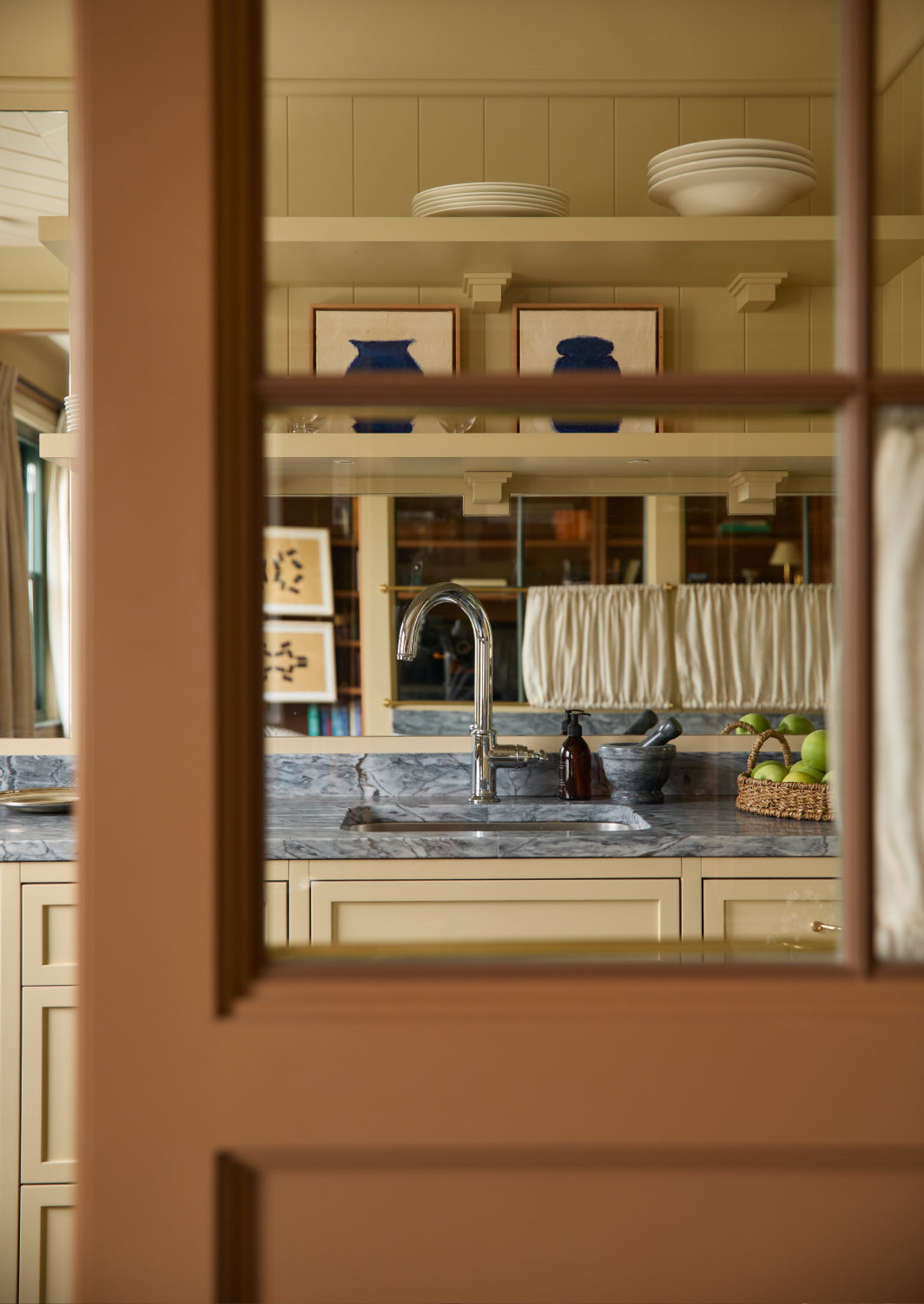
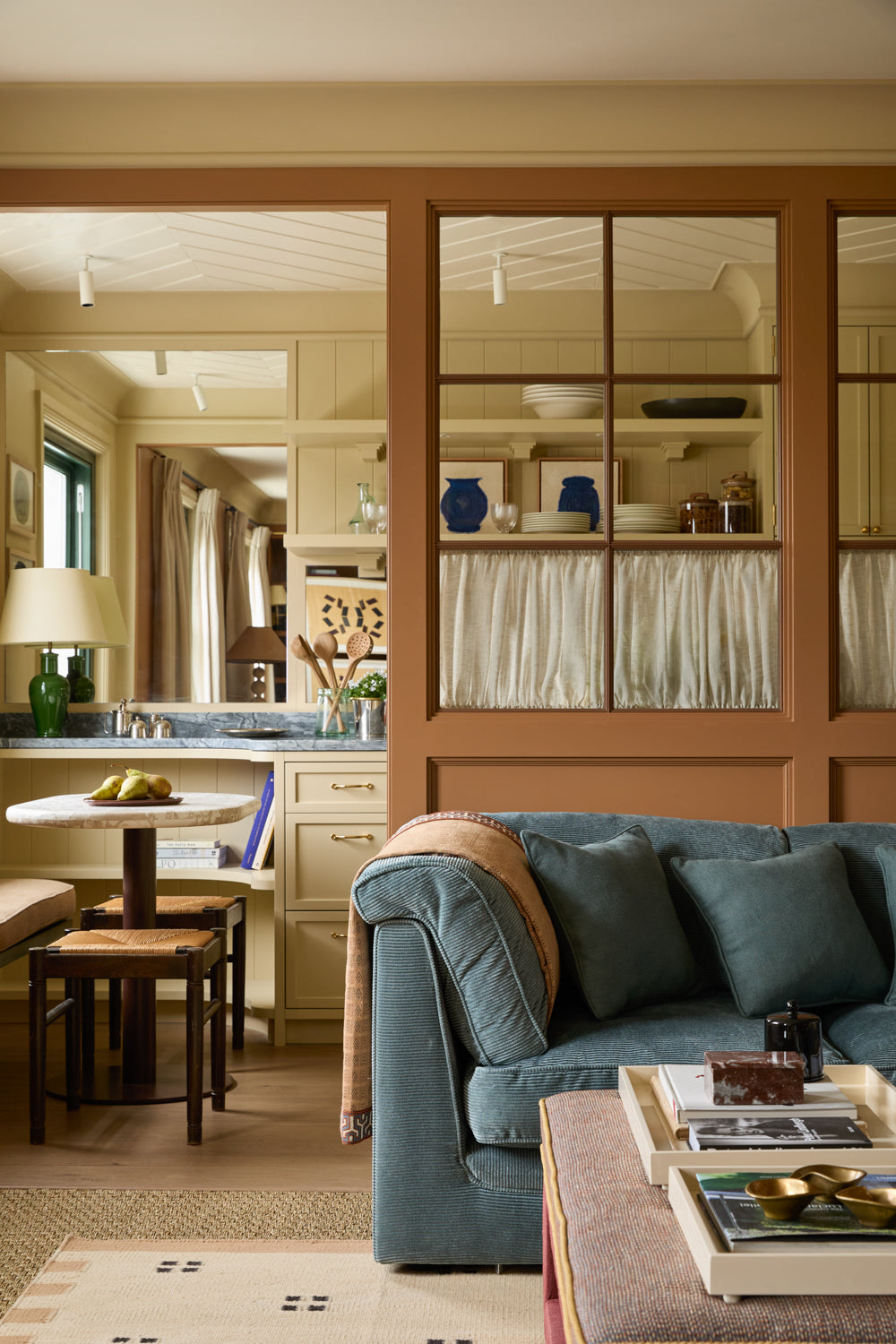
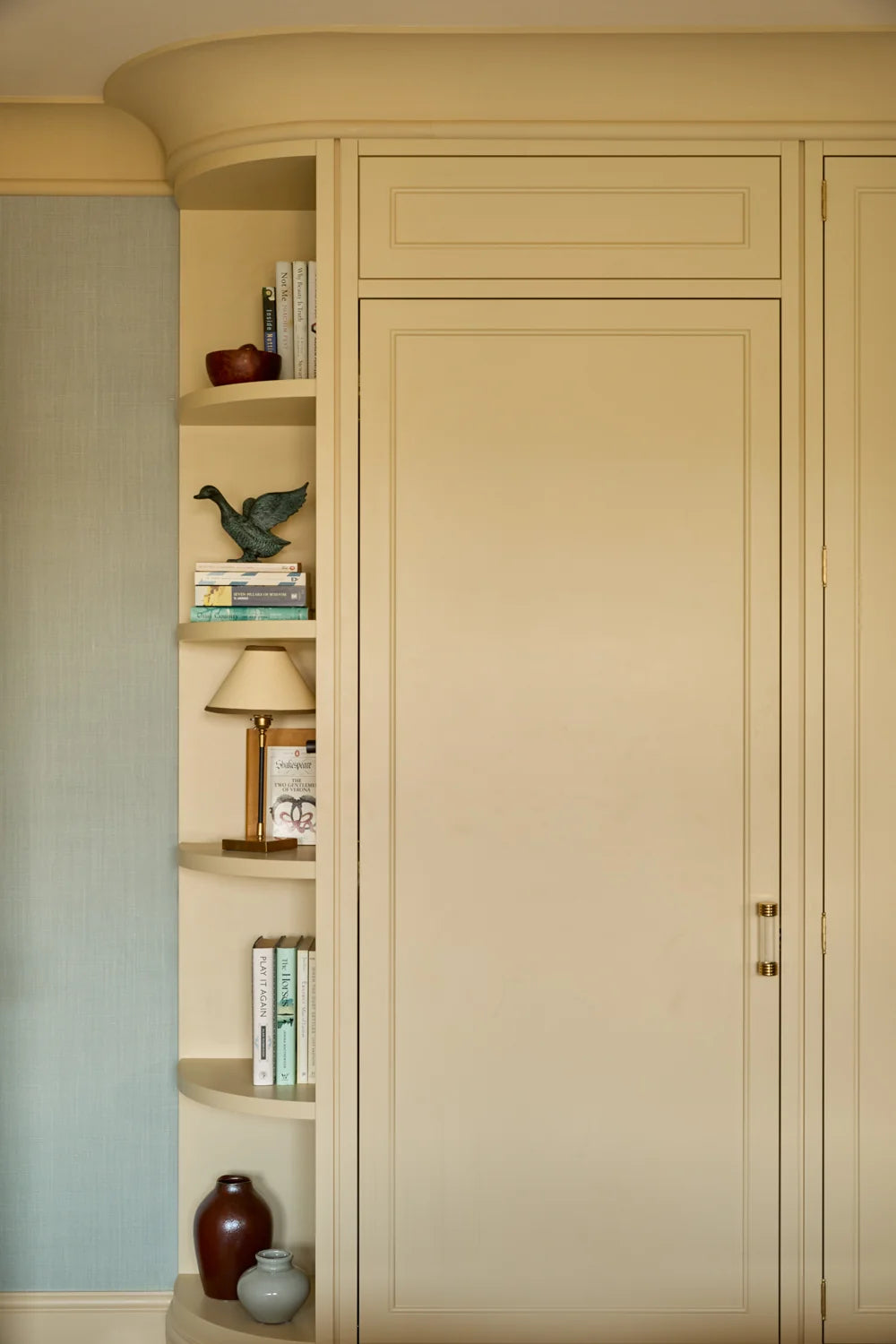
There are lots of simple things you can do with joinery, surfaces and details to address a compact space. In the hallway, for example, we used a large, fitted mirror with a console in front, which visually doubles the width, while a curved edge to the wardrobe in the bedroom eases you into it rather than leaving you looking at a blank end. We also created a subtle threshold between the kitchen and living room with a screen and used mirrors to reflect the views and create a sense of greater stretch. Rich colour and layers of material, texture and art also create interest, so you’re no longer focused on the walls or the size of the space.
Q&A
On Old and New
How do you introduce character into a home so it feels as though it has a history, rather than something newly made?
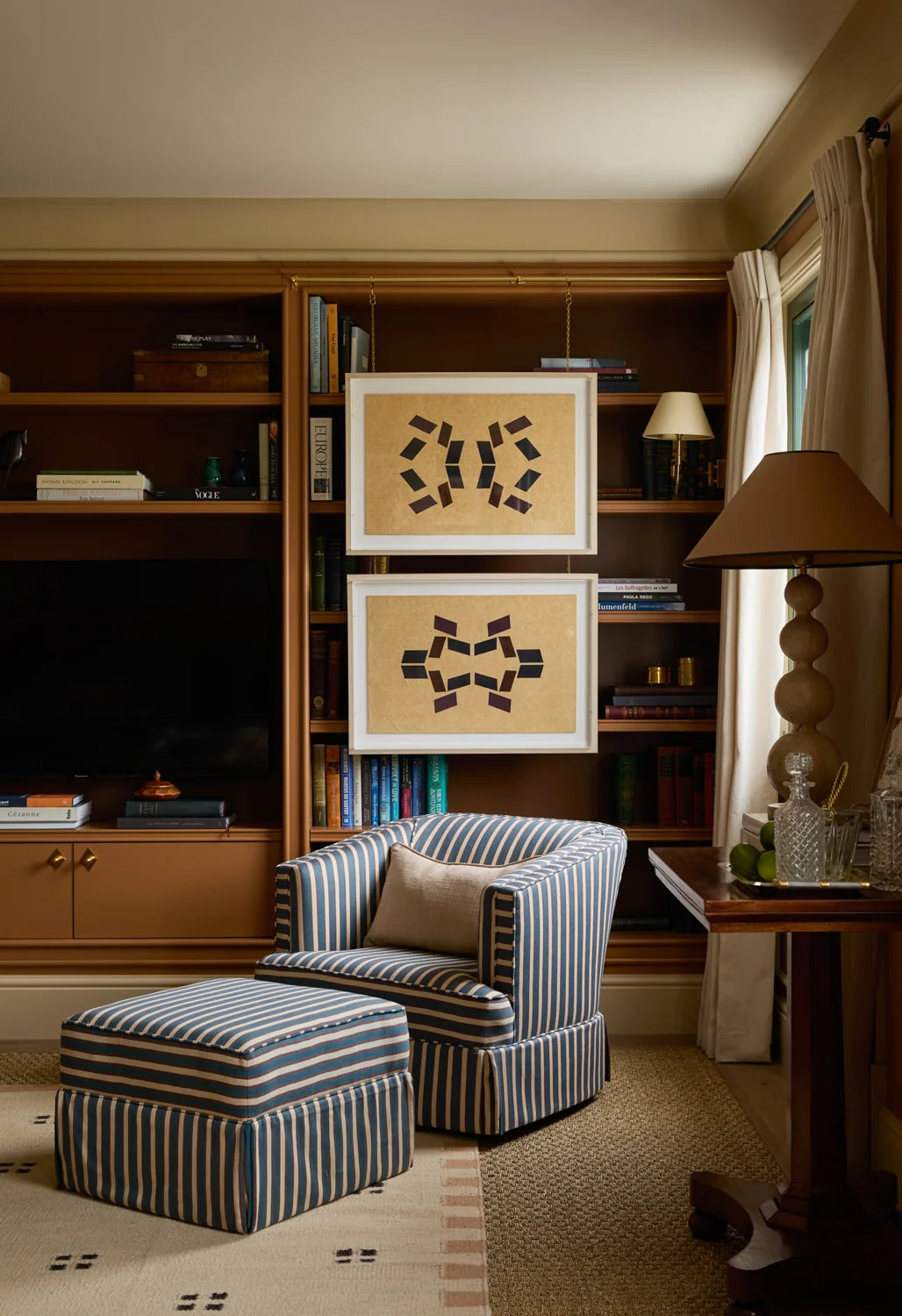
You simply can’t design a property, paint it and then buy a whole load of things from a catalogue and expect it to have any kind of soul or depth. You need to think across the whole spectrum, from the concept through to the art on the walls and books on the shelves and source a mixture of old and new — from markets and vintage websites to commissioned and created pieces. If you do that mindfully, following the overall vision, you can give a new home that feeling of character, soul and history.
Q&A
On Hardware
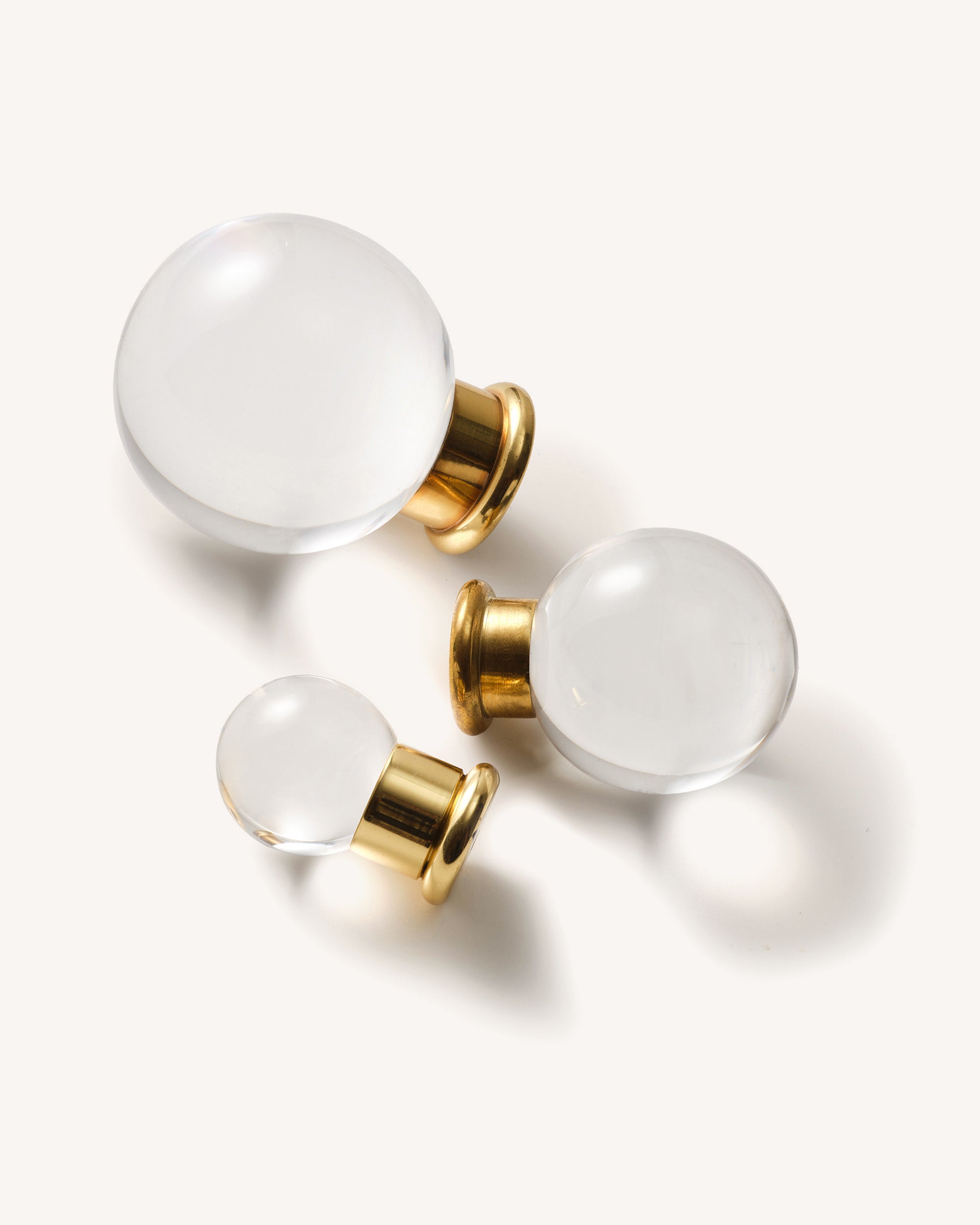
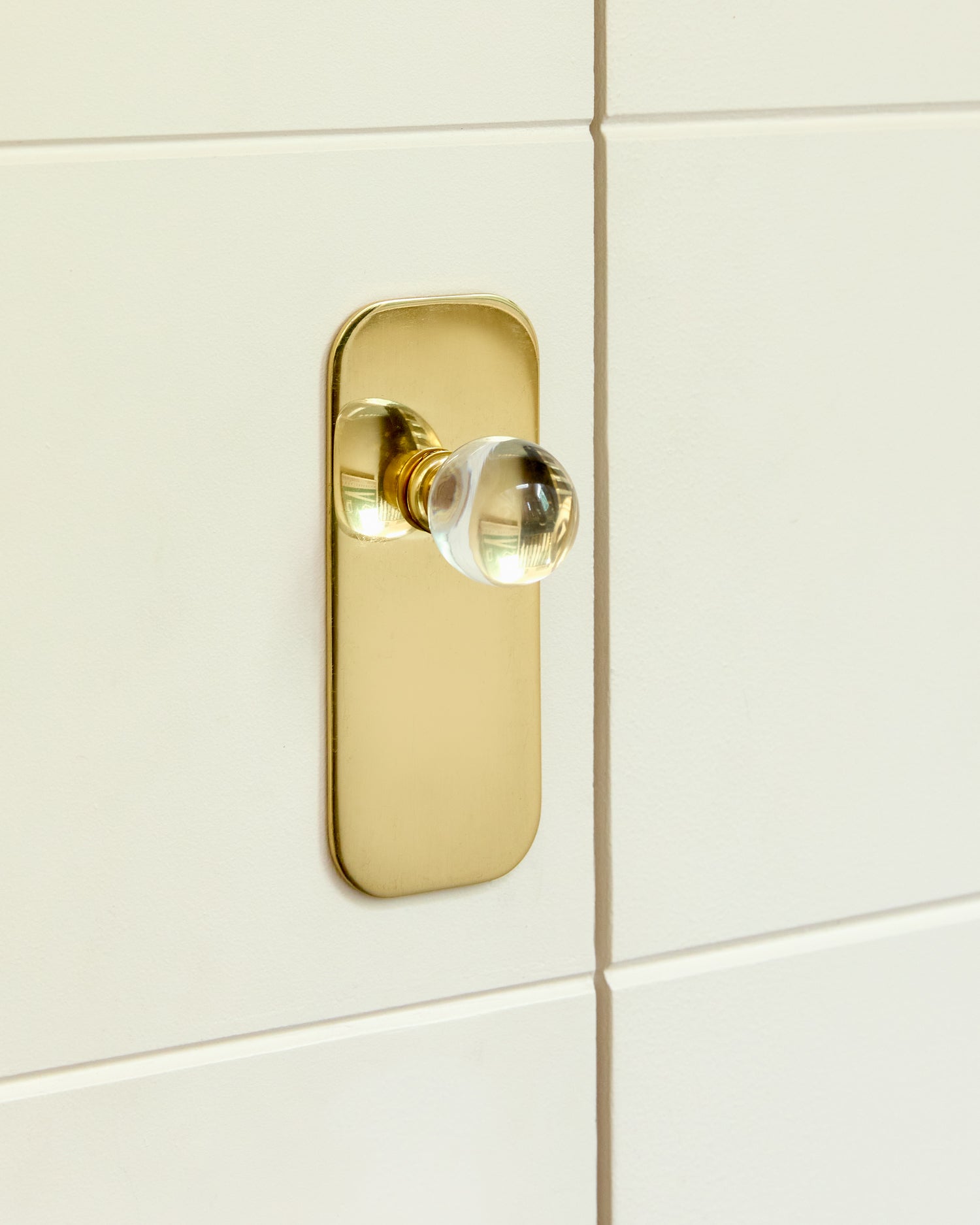
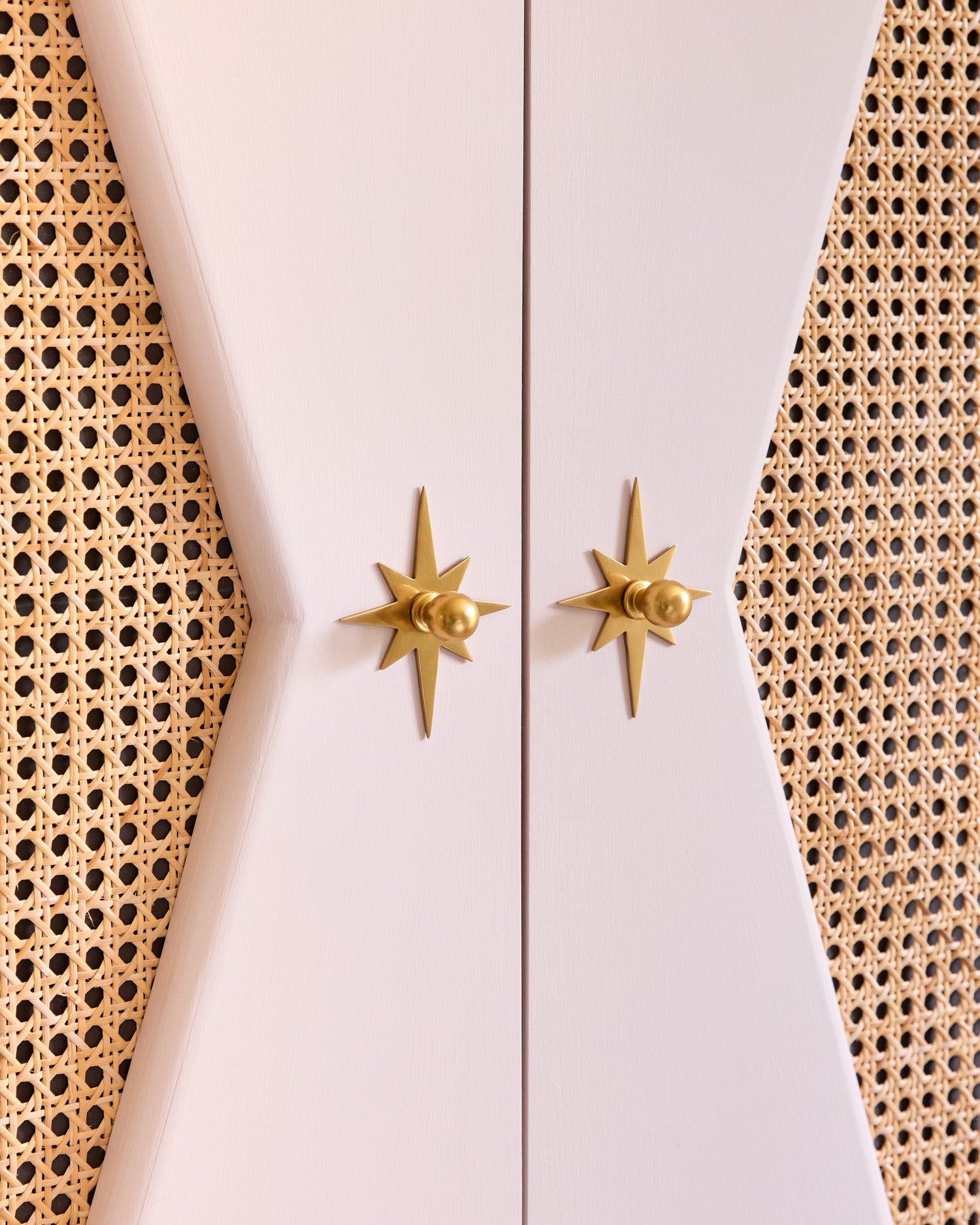
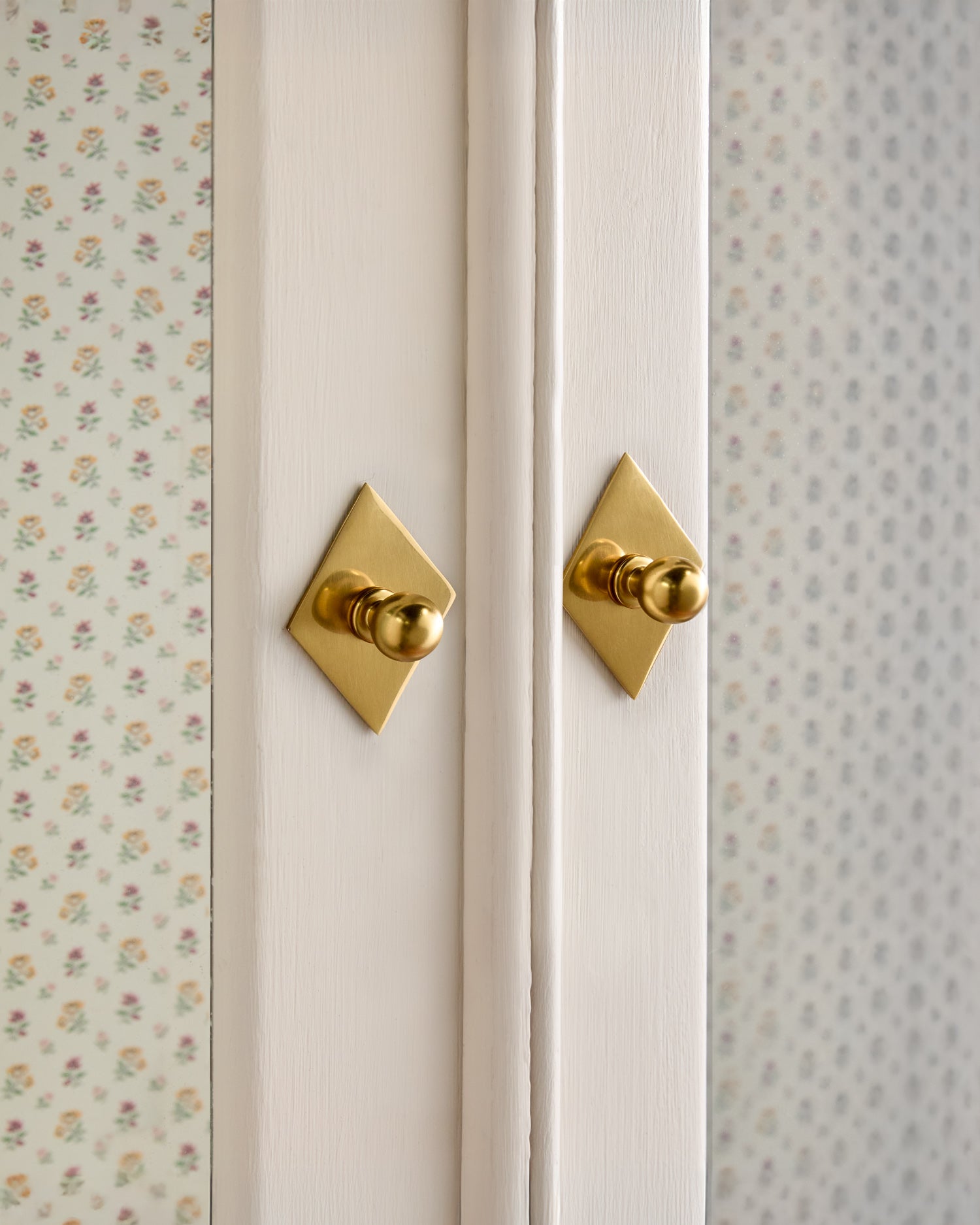
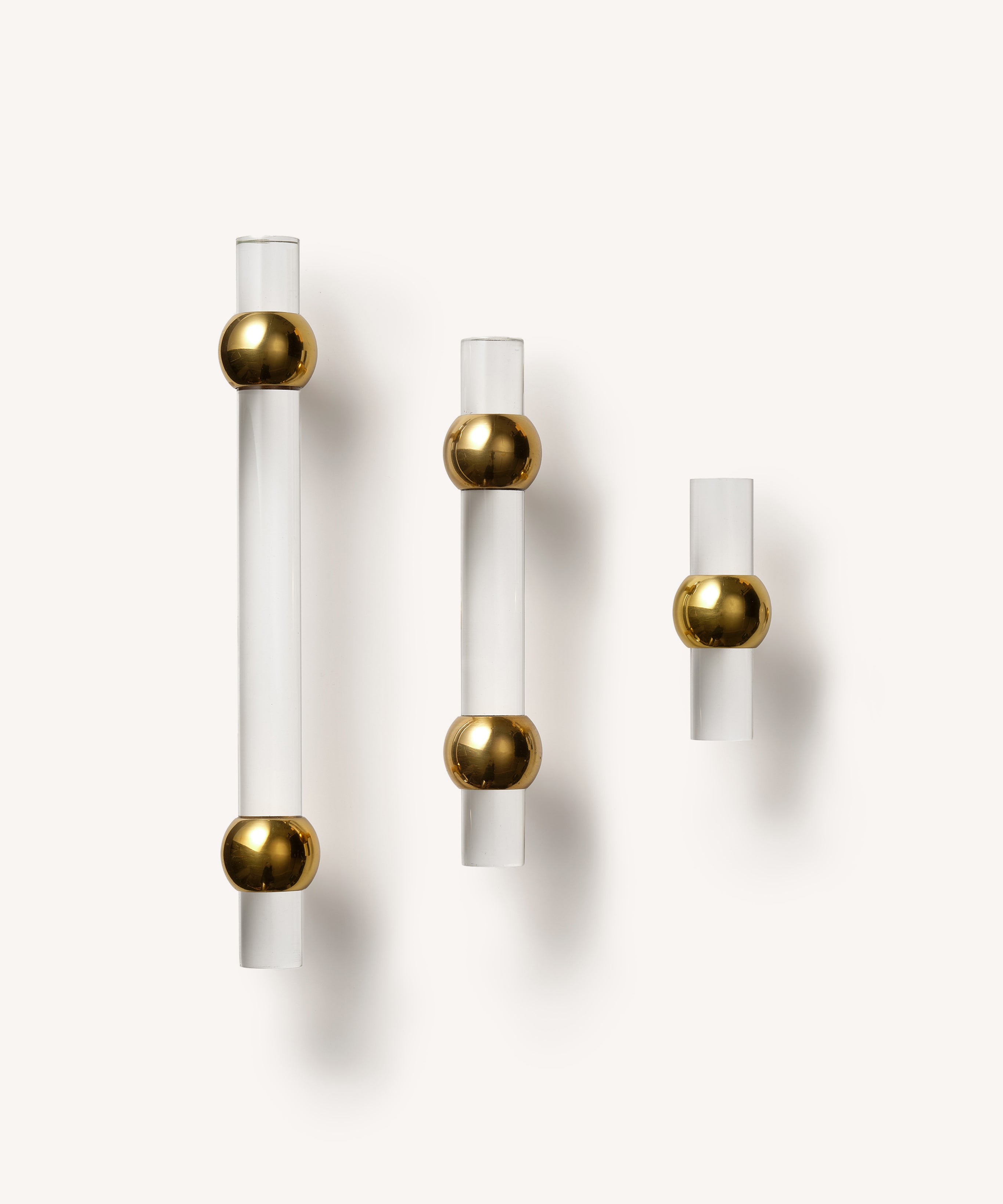
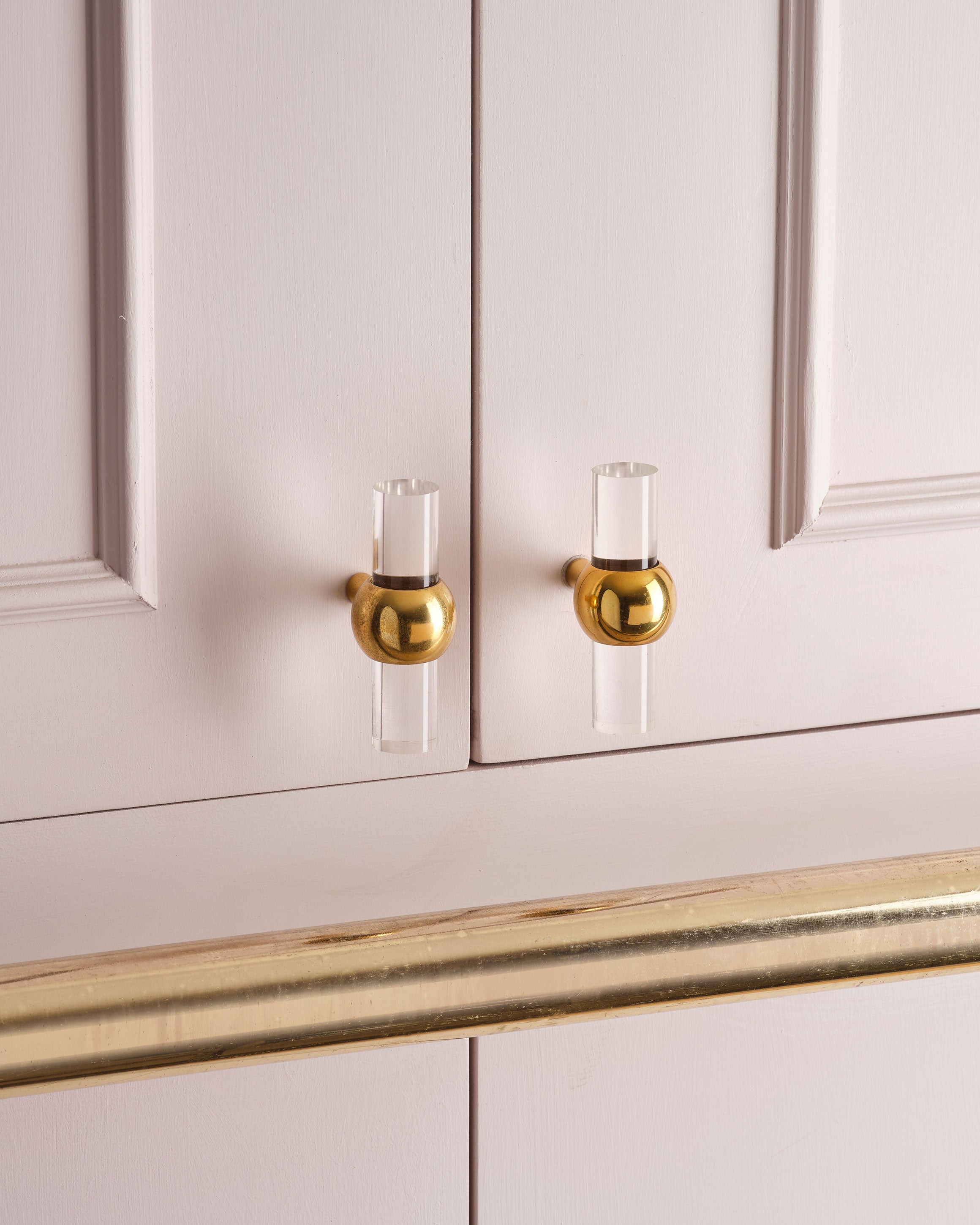
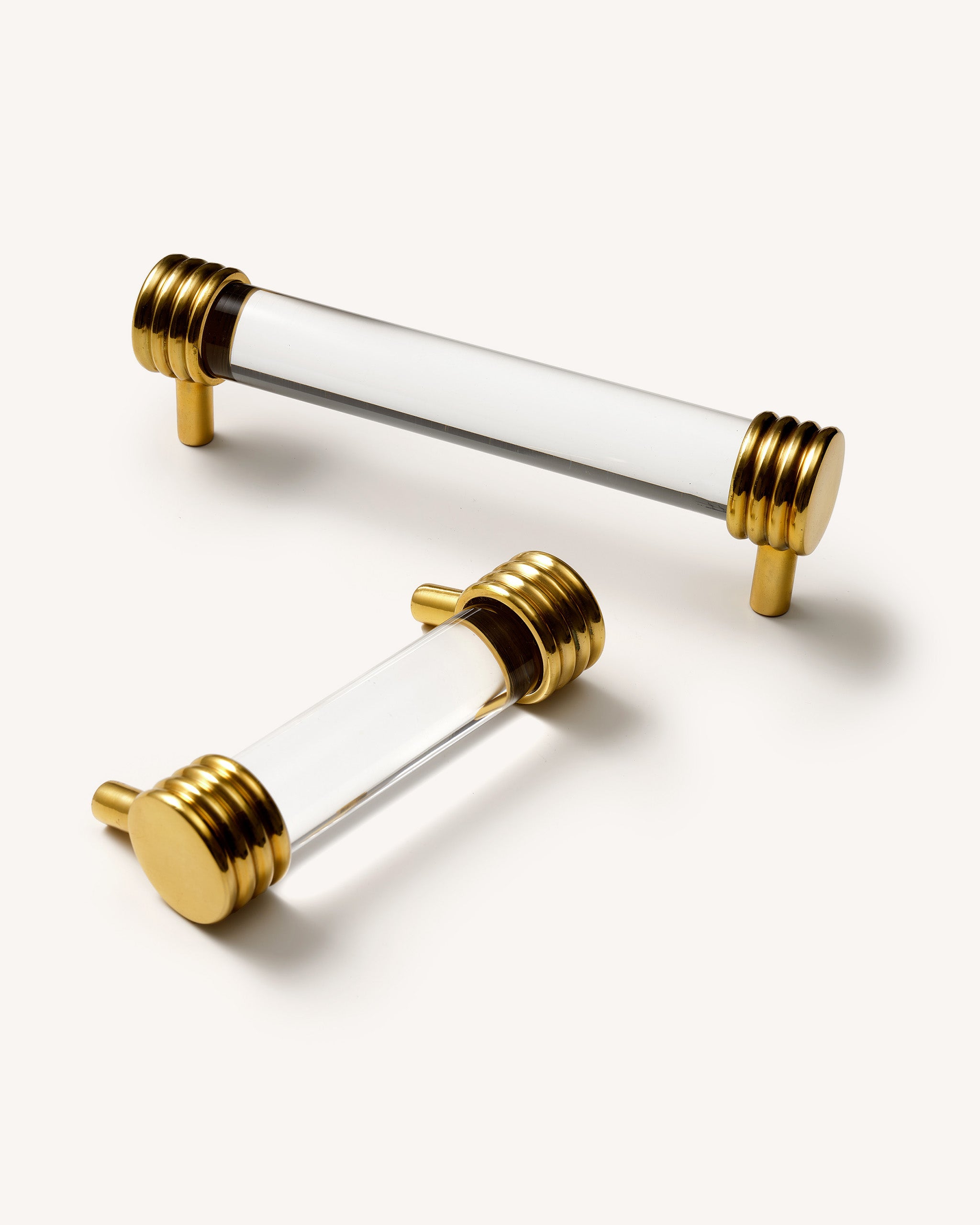
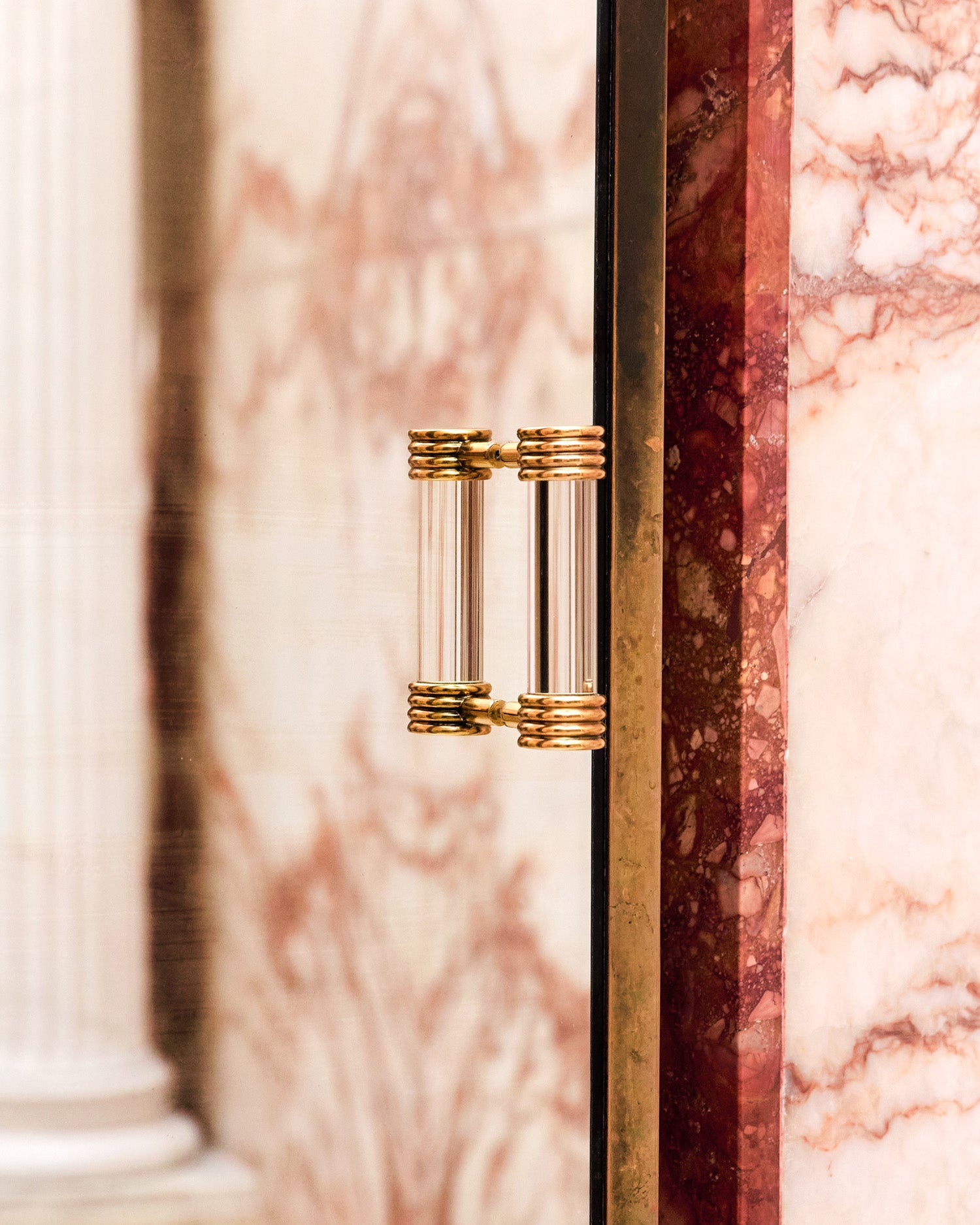
The fittings run as a thread through the flat — the brass tay handles in the kitchen, the acrylic-and-brass in the bedroom, the clear knobs on their diamond backplates. What drew you to them, and how do you think about hardware as part of a room rather than a finishing touch?
Hardware gives you an opportunity for a little bit of sparkle or a bit of a kick when you finish a room. When you’re generally working with matte surfaces like carpet, wallpaper and wall colour, a little bit of glass or Perspex adds reflection and changes the materiality and opacity. It can feel like the icing on the cake, and in the bedroom, for example, the contemporary fittings give a little bit of shine and twinkle.
Q&A
On Colour and Fabric
The palette is warm and easy to live with — soft creams, veined stone, the odd note of green. How do you decide which colours and materials feel right for a home meant to feel calm?
I think you instinctively feel what is going to feel cosy, and I tend to project myself into the space; imagining waking up in the bedroom or coming home at the end of the day and settling into the sofa. The orientation of a flat influences colour, as does the sequence as you move through the rooms, so there needs to be a balance. There isn’t necessarily a rule, but I think leaning into richer colours, when they’re well controlled and used in the right places, tends to create a more interesting atmosphere.
Q&A
On Collecting
What is your process with sourcing? How do you design so there's room for the objects, the books, the art, the finds — and a home feels personal rather than finished?
I think it’s much the same approach: you need to think across the whole spectrum, from the architecture through to the art and objects. Some things are commissioned, some are created, some are sourced and some are bought, and you’re mixing old and new to create a curated aesthetic. If you think about those things from the beginning, rather than simply filling the space at the end, it allows the home to feel personal and collected rather than finished.
Shop the Look